Conservation of minerals
We are rapidly consuming mineral resources that require millions of years to be created and concentrated. Minerals can be conserved in the following ways:
- Reduce wastage in the process of mining.
- Recycling of metals using scrap metals.
- Use of alternative renewable substitutes.
- Use of mineral resources in a planned and sustainable manner
- Use of improved technologies to allow the use of low-grade ores at low costs.
Conservation of forests
Conservation of forest is the practice of planting more trees and maintaining the forested areas for the sustainability for future generations. Forests are an important natural resource and are beneficial to humans in several ways. But due to increasing deforestation activities, it has become essential to conserve forests throughout the world. Deforestation is the permanent destruction or loss of forests for the expansion of lands for agriculture, livestock, etc. The process of destructing forests for the expansion of agricultural land is referred to as shifting cultivation.
Following are some of the major steps for conservation of forest:
- With the advent of industrialization, several trees have been cut at an alarming rate for raw materials and various other purposes. This felling of trees can be regulated by selective cutting, clear-cutting and shelterwood cutting.
- Forest fires are one of the common causes of loss of forests. Sometimes the forest land is set on fire to make the land available for commercial purposes. Once cleared, there can be no vegetation. Natural forest fires are also responsible for the destruction of huge forest covers. Latest fire fighting techniques should be adopted to conserve the forest. However, forest fires are an important part of the ecosystem and it helps replenish nutrients in the soil from dead and decaying matter.
- More trees should be planted to increase the forest cover. Trees should be selected according to the geographical conditions of a particular region and proper care should be taken during the growth of trees.
- Prevention of exploitation of forestry and forest products is necessary for the conservation of forest.
- The existing forests should be protected from diseases by spraying chemicals, antibiotics or development of pest-resistant strains of trees.
Water Conservation
Water conservation is the careful use and preservation of water supply, and it includes both the quantity and quality of water utilized. Water is an essential asset for the nourishment of all life. The fundamental demand for all activities appropriates local use to the agricultural industry.
With the regular expanding weight of the human population, there has been serious tension on water resources. Negligence of customary water bodies like tanks and lakes, unpredictable abuse of groundwater, and incorrect preservation of surface water systems have bothered the issue. Still further and is no doubt going to grow in the years to come.
There are various approaches to making your water last nowadays. One simple yet often disregarded strategy to cut your water bill is to use your water twice. Unlike electricity, you can reuse water again and again. That’s the idea of water conservation.
What is water conservation?
To point out, even more, Water Conservation is the practice of efficiently preserving, controlling, and managing water resources.
Water conservation has become an essential practice in every part of the world, even in regions where water appears to be enough. It is the most practical and environment-friendly approach to lessen our need for water. Likewise, using less water puts less weight on our sewage treatment facilities, which use an ample amount of energy for heating water.
Main reasons to conserve water
- Conserving water saves energy. Energy is important to filter, heat, and pump water to your home, so lessening your water use likewise decreases your carbon traces.
- Consuming less water keeps more in our environments and aids with keeping wetland habitats best for creatures like otters, water voles, herons, and fish. This is particularly significant during dry season periods.
- Conserving water can save you money. If you have a water meter, the less water you use, the less you might be charged by your water company.
For the past 50 years, freshwater extraction from icebergs has expanded by three folds. Because of progression in life, a more significant amount of water is a need. This likewise implies a growth in the interest for the power supply with water.
Conserving water can likewise make the life of your septic system longer. This is by lessening soil immersion and reducing any contamination because of leaks. Overloading municipal sewer systems can also flow untreated sewage to lakes and rivers. The smaller the amount of water coursing through these systems, the lower the probability of contamination. Even the few groups like the community-wide domestic water preservation avoided the expensive sewage system development.
Wildlife Protection Programs by Indian Government
Crocodile Conservation Project
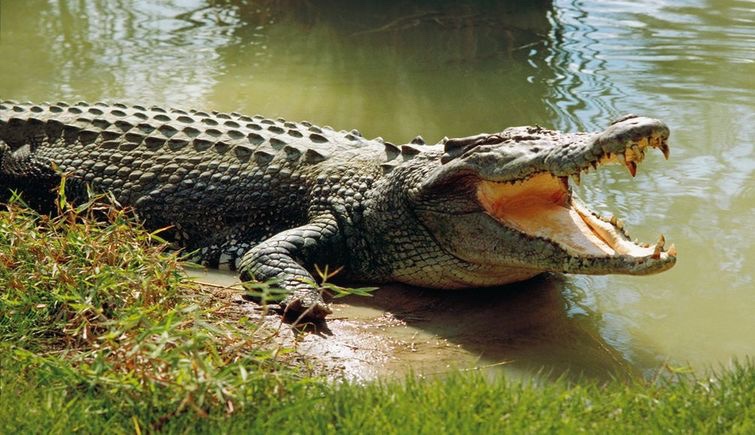
This project is yet another successful venture by Government of India to conserve the Indian Crocodiles, whose species were on the verge of extinction once. The project also contributes towards the conservation in a plethora of related fields. The main objectives of the crocodile project is to protect the remaining population of crocodiles and their natural habitat by establishing sanctuaries; to promote captive breeding; to improve management; and to involve the local people in the project intimately. It is worth noticing that with the initiation of Crocodile Conservation Project, 4000 gharial/aligator, 1800 mugger/crocodile and 1500 saltwater crocodiles could be restocked.
UNDP Sea Turtle Project
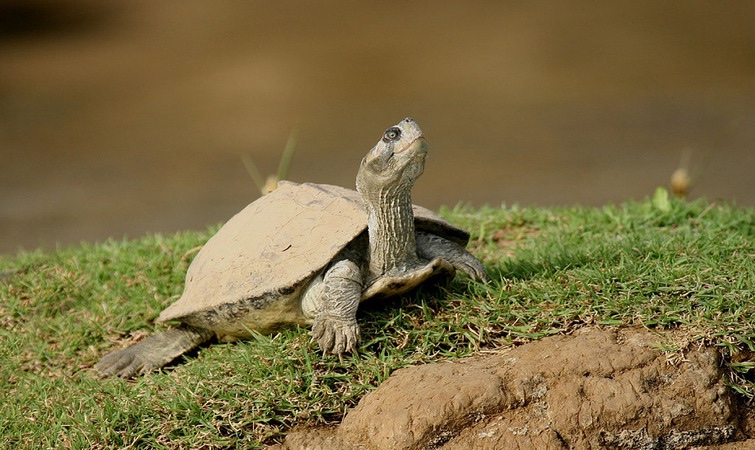
With an objective to conserve the Olive Ridley Turtles, the UNDP Sea Turtle Project was initiated by Wildlife Institute of India, Dehradun as the Implementing Agency in November 1999. The project is for 10 coastal state in India especially Odisha where it has contributed towards the preparation of a map of breeding sites of Sea Turtles; identification of breeding places and habitats along the coast line, and migratory routes taken by Sea Turtles. The project also helped in the development of guidelines to safeguard the turtle mortality rate and for tourism in sea turtle areas. Amongst the major achievements of the project is the demonstration of use of Satellite Telemetry to locate the migratory route of sea turtles in the sea.
Need for conserving the environment :-
Environmental conservation is a practice that paves the way for protecting the environment and natural resources on the individual, organisational as well as governmental levels.
Various core environmental issues are taking a heavy toll on human lives. Ranging from overpopulation, hydrological issues, ozone depletion, and global warming to deforestation, desertification and pollution, all these issues pose a severe threat to the existence of humankind. Environmental conservation is becoming an effective mass movement, it is futile to expect positive growth especially in the age of digital media which holds the potential to bring a revolution to save our planet from destruction.
It has become inherently important to work towards environmental conservation in contemporary times. The following pointers elucidate this crucial need to save the environment from further degradation:
- To reduce air, water and land pollution.
- To facilitate the conservation of natural resources for our future generations
- To ensure the protection of biodiversity
- To implement sustainable development
- To restore the ecological balance
- To save our planet from harmful repercussions of global warming
Functions of the State Pollution Control Board (SPCB)
The functions performed by the SPCB are executed at the state level and are under the instructions of the Central Board. SPCB advises the state government concerning the establishment of the industry which may harm the water stream or river. It lays down rules and regulations on the disposal of effluents in the flow of water. The State Board has the power to take the sample and test in the laboratory to check the quality of the water and if they are in any way harmful to the usage of water and they have the power to sanction or refuse the consent of the industry. Every industry has to gain consent from the board by applying all the details and prescribed ways the effluent is carried out. The Board focuses on the re-evaluation of the dumping outlets and re-structuring the way of disposal of sewage and trade discharges.
The Water (Prevention and Control) Cess Act, 1977 authorizes the Central Board to collect cess on the water that has been consumed by the person carrying out the industries and by the local authorities, who are responsible for the supply of water. The Water (Prevention and Control) Cess Act, 1977 was amended in 1991 with a view of expanding the resources of the board and removing the gaps in the Act, and providing concession to the industry for complying with the standard quality and consumption. However, there are many enforcement issues.
This Act was passed to meet the expenses of the boards yet the Water Board has no power to take direct actions against the defaulting party. The court proceedings are longer than expected and the delays cause the prevention in action, therefore, defeating the only purpose of the Act and because the problem lies in the implementation of the Act. Amendments are enacted to provide strengthening to the boards yet the pollution of the water is still on high rise and the people are ignorant of the increase in the level of pollution and the authorities lack the power to enforce it effectively and efficiently.
Air (Prevention and Control of the Pollution) Cess Act, 1981 was passed after the participation of India at the United Nations Conference in the Human Environment held in Stockholm, to take appropriate steps to preserve the environment which includes, among other things, the prevention and control of the air pollution. The Air (Prevention and Control of the Pollution) Cess Act, 1981 applies to the whole of the country. Air pollution can be defined as the presence of any solid, liquid, gaseous substance present in the atmosphere, in a concentration that may be injurious to any human or animal’s life and dangerous to nature.
Under Section 19, of the Act, the State Government, after the consultation with the State Board, can declare an area, an air pollution controlled area and no industrial plant shall be planted in that area without prior approval from the Government. The Central and State Water Board has been endowed with the task of controlling and preventing air pollution and accordingly, they have been redesigned into the Central Pollution Control Board and State Pollution Control Board. The State Board has powers to lay down rules and regulations for the prevention and control of air pollution.
Under Section 20, the government has the power, with the consultation of the boards, to instruct the Authority in charge of the registration under the Motor Vehicle Act, 1939, to secure the standard emissions for automobiles. The boards have powers to press charges against the polluter in the court and punish him for polluting the air and incurred expenses as compensation for the damages that the board has to recover. Noise pollution also comes under the category of air pollution since 1987.
Environment Protection Act, 1986 was enacted to protect and preserve the environment and the things connected thereto. The Act includes necessary decisions and steps to be taken to protect the environment and to prevent hazards to humans, plants, or any living creatures. The Environment Protection Act, 1986 comprises 26 sections which are explained in 4 chapters and applicable to the whole of India.
The Act ensures the enactment of the regulations and Acts concerning pollution control. It issues directions to shut down any industrial plant or process that can be harmful to the environment and the living beings around it. The Act imposes strict penalties on the defaulter of the regulations.
Conclusion
It’s high time to focus on protecting the natural resources and safeguarding the environment. The Government of India has done a remarkable job to combat the emerging deterioration in the conservation of nature.
This article is written by Aarav Parekh, a student of K.E.S Shroff College.
 Site Title